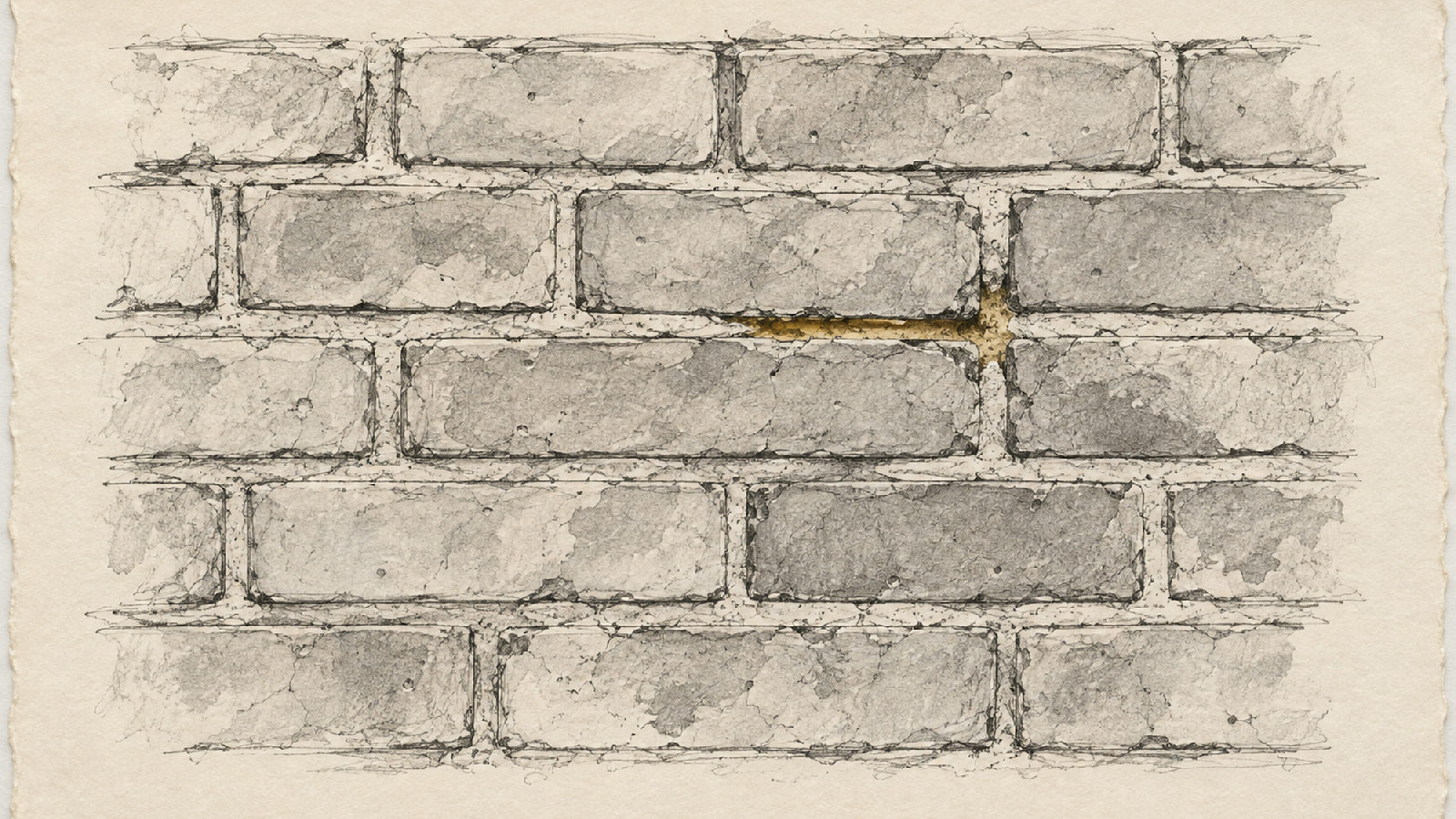
Caught early, the solutions are plentiful. As a problem persists, it grows and the options shrink.
That is a useful way to think about historic brick repair in Charleston. A small area of failing mortar may allow a careful, limited repair. Leave the same wall repeatedly wet, or cover the defect without understanding it, and the work can expand beyond the joints into damaged brick and adjoining materials.
Early attention does not mean every old wall needs immediate repointing. It means finding out what is happening while there is still enough sound material to preserve. The right decision might be maintenance, selective repair, observation, or a more detailed investigation. The condition should determine the scope.
Start with the cause, then decide what to repair
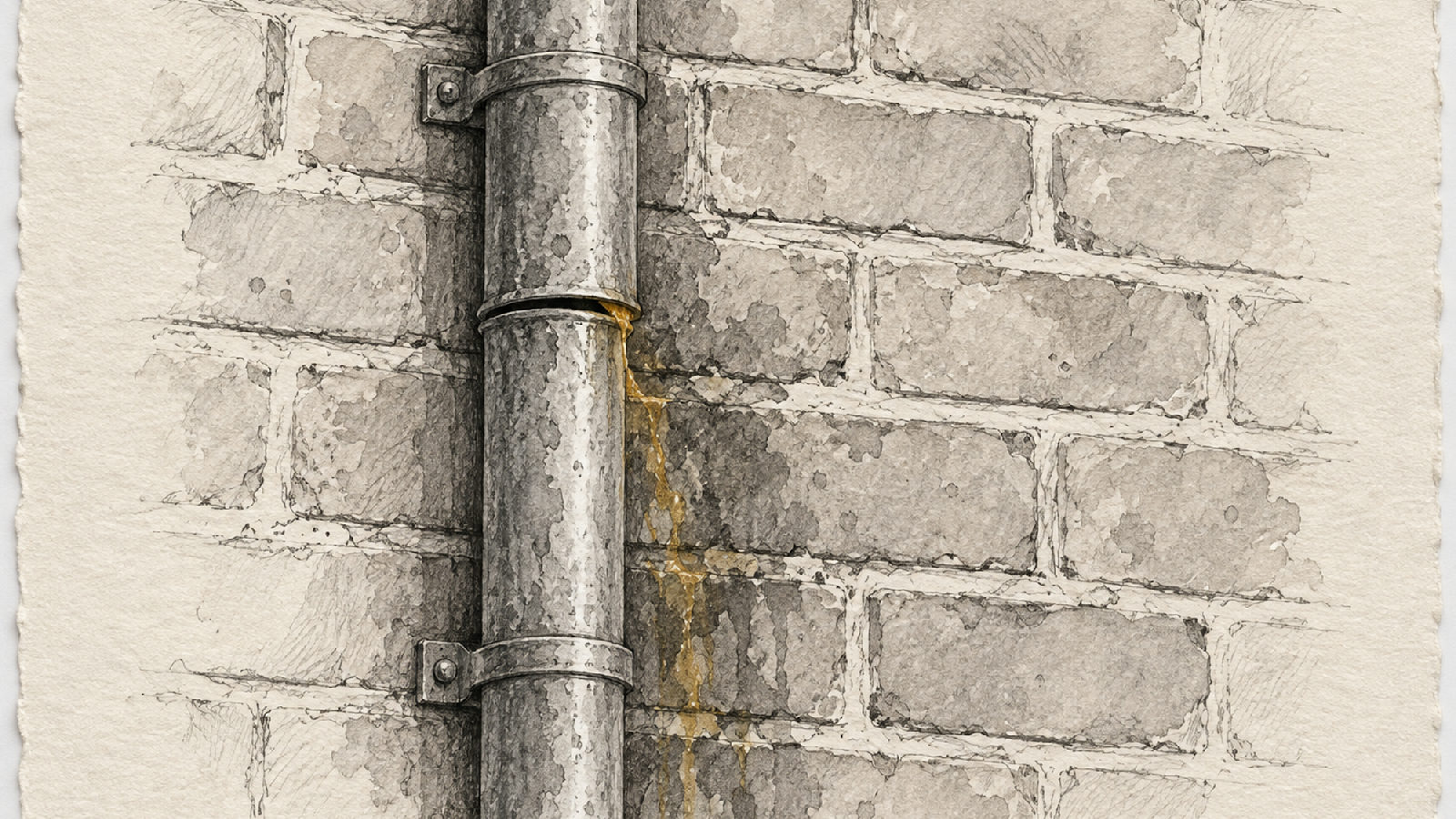
A dark patch below a downpipe is a reason to investigate the pipe, its connections, and the wall around it. It is not, by itself, a reason to coat the masonry. Likewise, a crack is evidence to examine, not a diagnosis of its own.
Charleston and Lowcountry buildings face wind-driven rain, humid conditions, and, in exposed coastal settings, salt. Exposure also varies across a single property. A sheltered wall under a piazza may behave differently from an exposed chimney or a shaded garden wall beside irrigation.
The National Park Service’s guidance on controlling moisture in historic buildings recommends investigating both the damaged area and the wider building and site. Water can travel before the damage becomes visible. Record when dampness appears, where rainwater goes, and how the area changes between wet and dry weather.
A useful assessment should answer three questions: what has failed, why it failed, and what remains sound. Those answers make a repair proposal meaningful.
When a limited repair makes sense
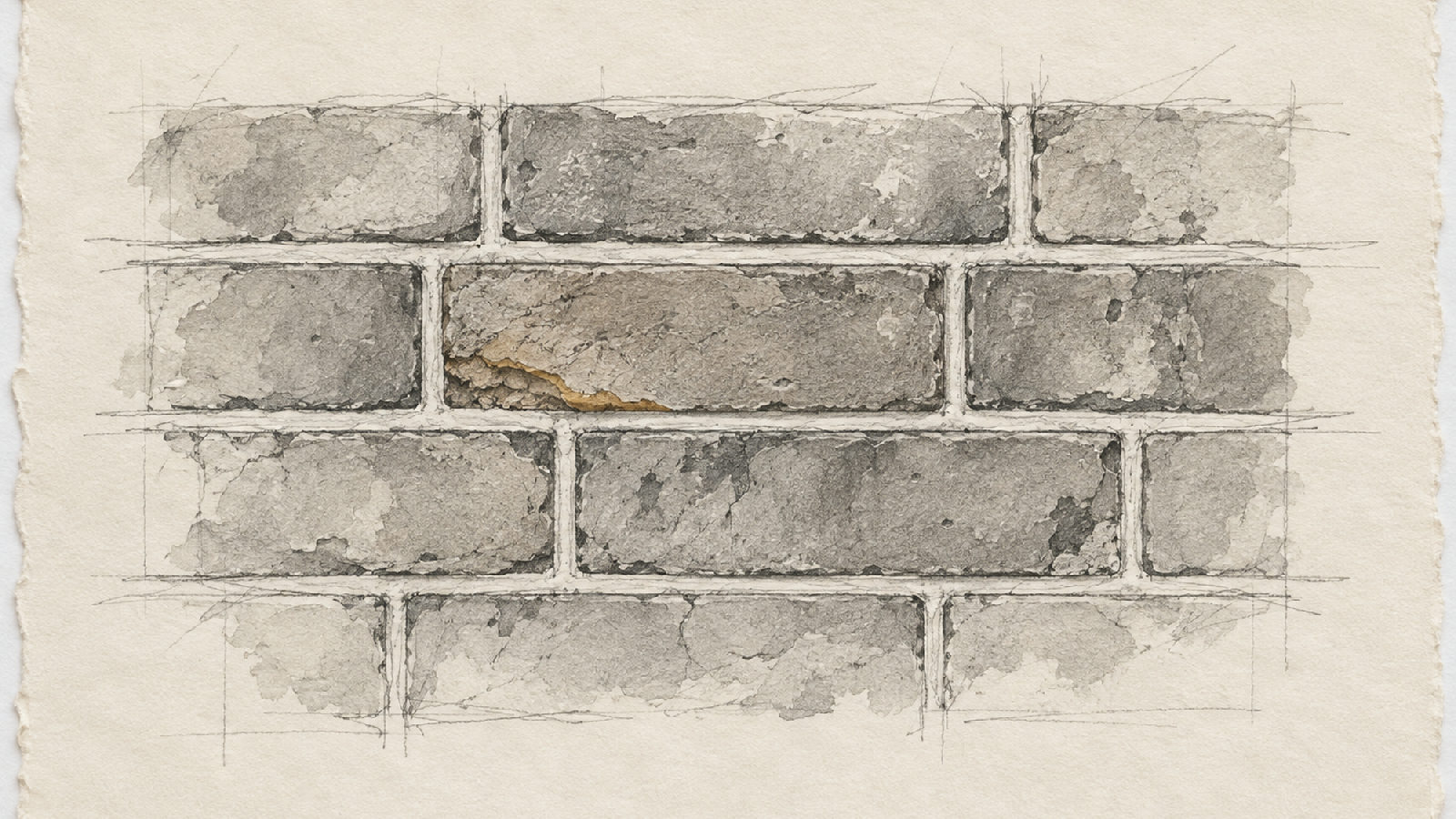
A limited repair can be the right choice when deterioration is localized, surrounding masonry remains sound, and the cause can be addressed. That might mean correcting a leaking downpipe connection and selectively repointing the affected joints after evaluating the wall.
The boundary of the work matters. A proposal should identify the area to be repaired and explain what would justify extending it. An isolated defect does not automatically support stripping out sound mortar across an entire elevation.
Consider a hypothetical wall with a handful of eroded joints below a faulty gutter. If the bricks remain serviceable and the wall is stable, repairing the rainwater defect and the affected masonry may preserve most of the existing fabric. If investigation reveals loose units, deeper deterioration, or movement, the original small scope needs to change.
That is a reason to investigate early and agree on decision points. It is not a promise that every small-looking defect will have a small repair.
When observation is an active decision
Not every weathered surface is failing. Uneven color, worn edges, and evidence of previous work can be part of an old building’s history. Appearance alone cannot establish whether material needs replacement.
Where an assessment finds no immediate hazard or active failure, planned observation may be appropriate. Keep dated photographs from the same position, include a scale where useful, and record whether a mark changes after rain. Agree on what change would trigger another inspection and when to review the record.
Observation needs a purpose and a review date. An unexplained damp patch that keeps returning should not disappear into a folder of photographs. Nor should a growing crack be repeatedly filled without investigating why it reopens.
Why the cheapest patch can become expensive
The difficulty with a cheap repair is often what the scope leaves out. A smooth surface may conceal shallow preparation, an unresolved leak, or a material that does not suit the wall. Once that repair fails, the next contractor must address the original defect and work around the added material.
Historic masonry needs compatible mortar. Strength alone is not the measure of quality. The National Park Service’s repointing guidance calls for mortar that suits the existing masonry in physical properties and appearance. Mortar that is too strong or insufficiently permeable can contribute to damage in softer brick. Material selection should follow examination of the particular wall, not a universal recipe based only on age.
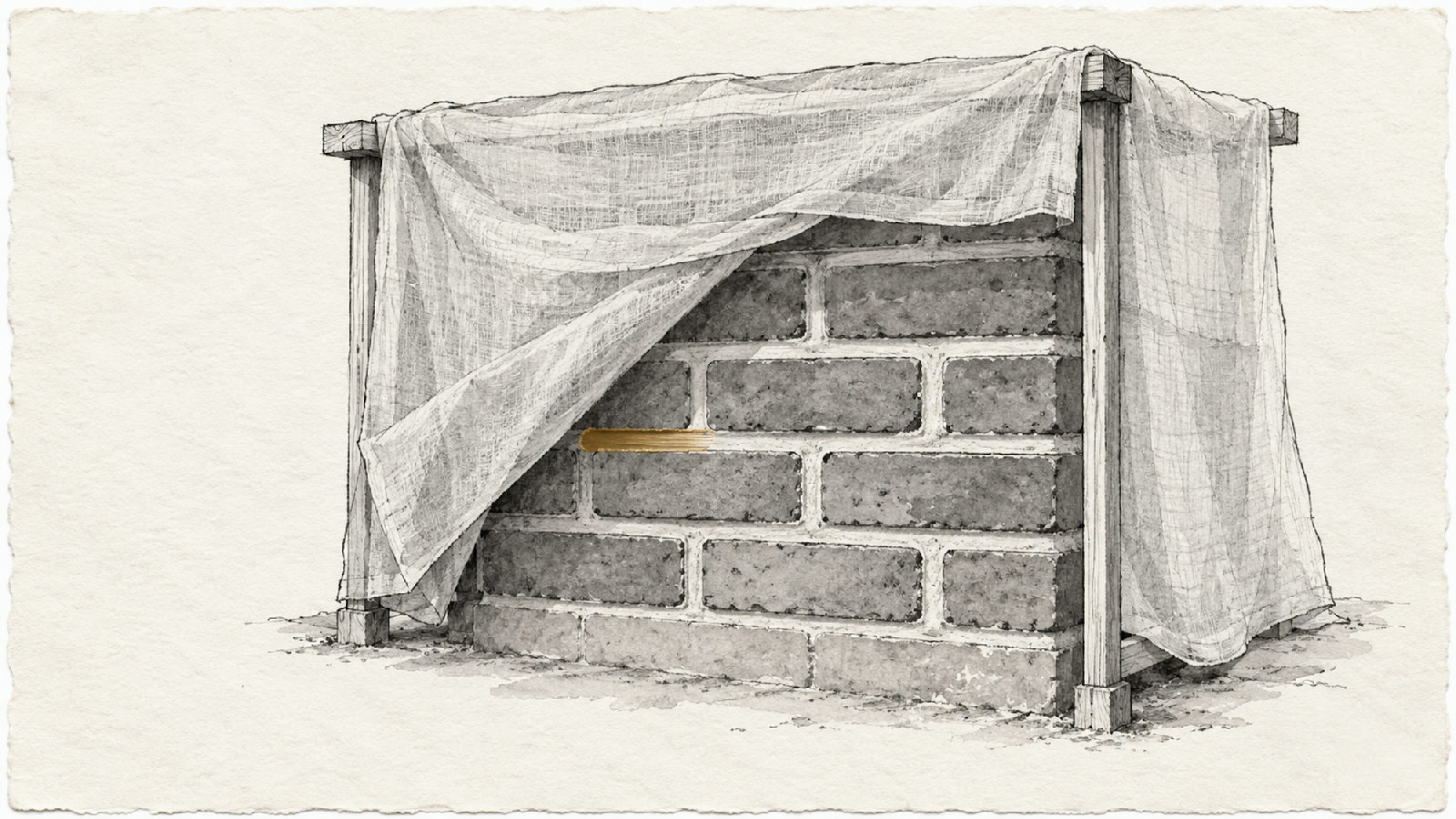
A thin smear over an open joint is also different from properly prepared repointing. The work needs a sound basis for the new mortar, appropriate placement, and protection while it cures. An attractive finish on completion cannot substitute for those steps.
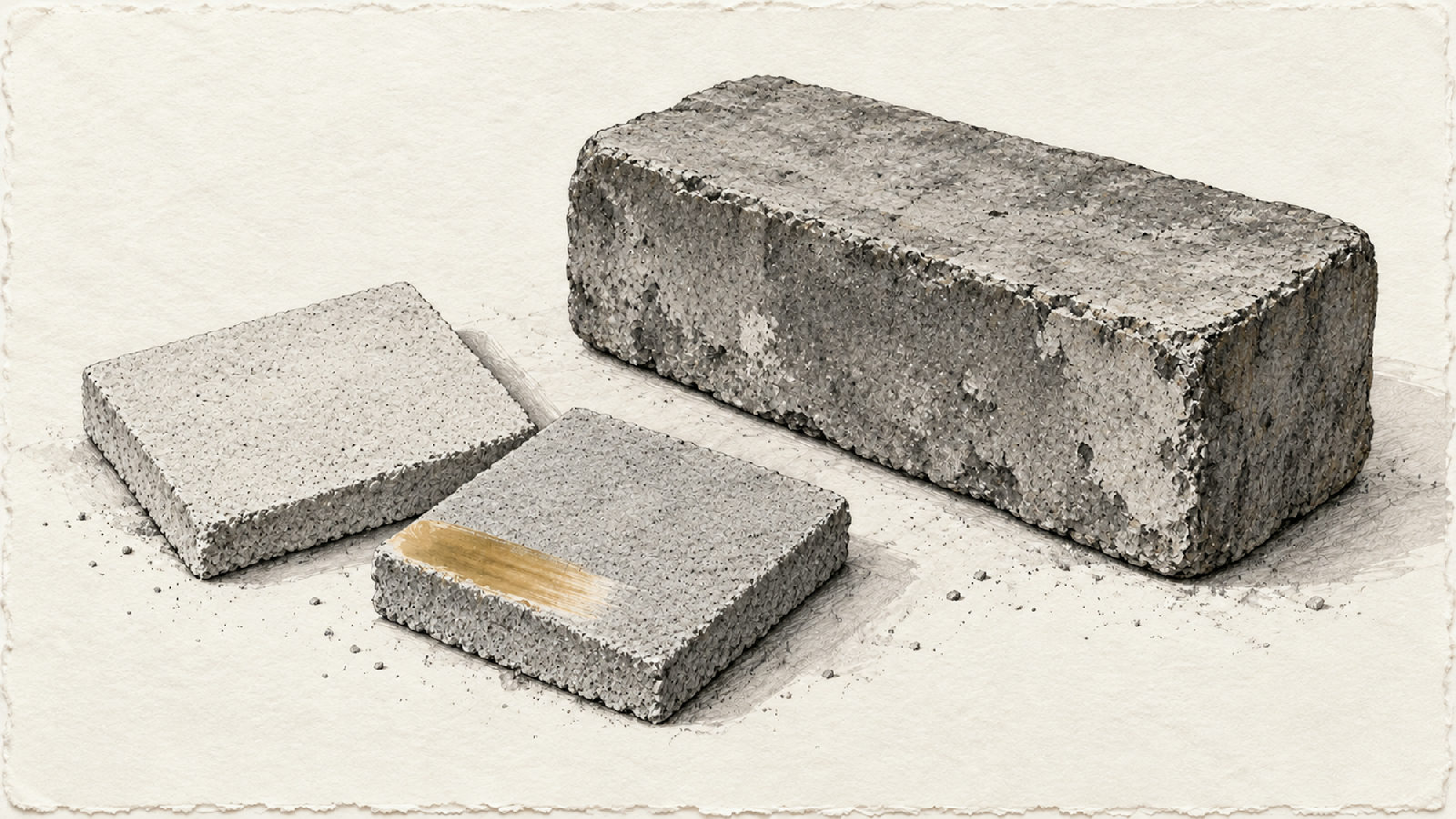
Once a brick face has been lost, renewing its surrounding joints will not put that face back. Preserving sound brick gives the owner choices that become harder to recover after deterioration advances.
Compare the work, not just the final figure
Before selecting a proposal, ask each contractor to describe the same conditions and repair area. Otherwise, one may be quoting a cosmetic treatment while another includes diagnosis, access, material matching, and correction of the water source.
Ask for clear answers to these questions:
- Which joints or bricks need work, and which will remain?
- What evidence supports the proposed cause of the damage?
- How will the mortar be selected and matched to the existing wall?
- How will deteriorated material be removed without damaging brick edges?
- Will a sample area establish the finished color, texture, and joint profile?
- What protection, curing, cleanup, and follow-up are included?
- What happens if the opened work reveals a larger problem?
The strongest proposal does not need to recommend the largest intervention. It needs to explain why its scope is sufficient and where uncertainty remains. Ask for photographs of comparable repairs and a discussion of the methods behind them.
Use a phased plan when the whole job cannot happen at once
An owner may need to sequence work. A useful plan separates urgent protection, correction of the cause, durable repairs, and work that can reasonably wait. The sequence should come from the condition assessment rather than whichever surface is easiest to make presentable.
Temporary measures should be identified as temporary, with a stated purpose and a date for review. Keep records of what was opened, what was found, and what materials were used. Those details help the next phase begin with evidence rather than guesswork.
For a small Charleston property, planning access to a chimney, courtyard wall, or narrow side passage can also affect how work is grouped. Coordinate related repairs where practical, while keeping the scope tied to actual need.
When to call a specialist
Arrange a specialist assessment when mortar loss is spreading, brick faces are flaking, dampness recurs, or an earlier repair keeps failing. Visible bulging, loose overhead masonry, or sudden movement calls for prompt professional evaluation; keep people clear of potentially unstable areas.
Our approach to historic brick repointing in Charleston begins with the existing wall and the least invasive repair that addresses its condition. Send clear overall and detail photographs, describe when the problem began, and note any changes after rain. Catching the issue early gives that assessment more options and gives the original building a better chance of remaining intact.